
How to Grow Heliconias: A Tropical Garden Guide
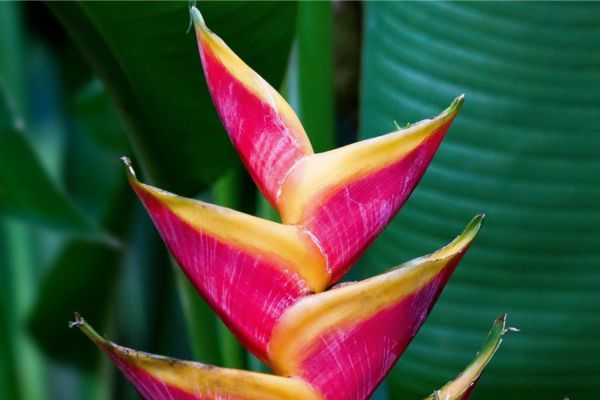
If you want to grow a plant that instantly makes your garden feel lush, vibrant, and unmistakably tropical, the Heliconia is hard to beat. With bold foliage, striking colours, and dramatic flowers, the Heliconia plant is one of the most recognisable tropical plants grown in Australia. These plants thrive in warm, humid regions and reward gardeners with long-lasting blooms that feel straight out of a rainforest.
In this guide, you will learn more about heliconia tropical plants, where they grow best in Australia, how to plant and care for them, and which varieties are best suited for home gardens.
What Are Heliconia Plants?
Heliconias are tropical perennial plants known for their large, paddle-shaped leaves and colourful flower bracts. Most heliconias are native to tropical Central and South America, with a smaller number of species indigenous to the western Pacific islands. In these regions, warm temperatures and consistent moisture support rapid growth. In Australian gardens, tropical heliconias are prized for the same reasons. They are hardy in the right climate, visually striking, and create immediate impact.
The Heliconia flower is often mistaken for the main bloom, but the true flowers are small and hidden inside the brightly coloured bracts. Tbut the true flowers are actually small and tucked inside the brightly coloured bracts. These striking bracts appear in a wide range of shades, including red, orange, yellow, pink, and even green. This diverse Heliconia colour palette is one of the key reasons the plant is so popular in tropical garden design.
There are many Heliconia varieties, ranging from compact plants suitable for pots to tall types that can form natural screens. In gardens, heliconias are often used to evoke a tropical vibe, add height and texture, or soften fences and walls. In addition, they work beautifully in large pots, especially when placed in warm, sheltered patios. As a result, they can thrive in protected outdoor spaces while still creating a bold tropical statement.
Best Planting Conditions for Heliconias
Heliconias are best suited to tropical and subtropical climates, making them ideal for northern and eastern Australia. They thrive in areas with warm temperatures, high humidity, and regular rainfall.
Tropical regions
In places like Far North Queensland, Darwin, and the Northern Territory, heliconias can be grown year-round with minimal seasonal care required. These regions provide consistently warm climates and the moisture essential for heliconias to maintain strong growth and abundant flowering year-round.
Subtropical regions
In South East Queensland and northern New South Wales, heliconias also perform well, particularly when planted in warm, sheltered positions. Although growth may slow during the cooler months, they typically bounce back strongly once spring arrives.
However, heliconias are not suited to frost-prone areas. Cold temperatures can damage the foliage, and severe frost may harm or even kill the rhizomes, especially in cold, waterlogged soil. Therefore, in cooler climates, growing heliconias in large pots that can be moved to protected areas is often the safest option.
Heliconia Planting Ideas
Heliconias are extremely versatile in garden design. Popular uses include:
-
- Privacy screens along fences or boundaries
- Tropical garden beds mixed with gingers and palms
- Potted plants on warm patios or balconies
- Poolside planting where their foliage creates a resort feel
Heliconias naturally thrive in tropical and subtropical regions; however, they can be grown successfully in other climates with the right care and conditions. Since these plants are sensitive to cold temperatures, growing them in pots is often the best solution for cooler environments. Furthermore, pots allow you to move heliconias into frost-free positions during winter, such as covered patios, greenhouses, or bright indoor spaces, thereby helping them survive periods of cold weather.
Growing heliconia in pots is not only practical for cooler regions, but also ideal for gardeners with limited space. Compact varieties perform particularly well in large, well-draining pots, where their roots have enough room to develop without becoming waterlogged.
Top 3 Heliconia Varieties for Australian Gardens
Choosing the right variety can greatly improve your success and reduce maintenance.. These are some of the most popular Heliconia varieties.
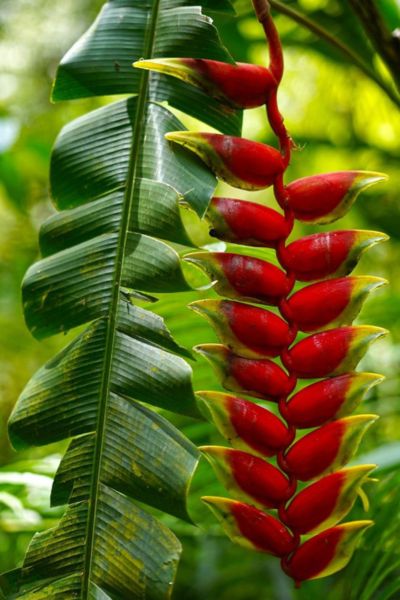
Heliconia Rostrata – Lobster Claw
Also known as the Lobster Claw Plant, this variety is famous for its cascading red and yellow bracts. It works best in warm, sheltered gardens with plenty of space.
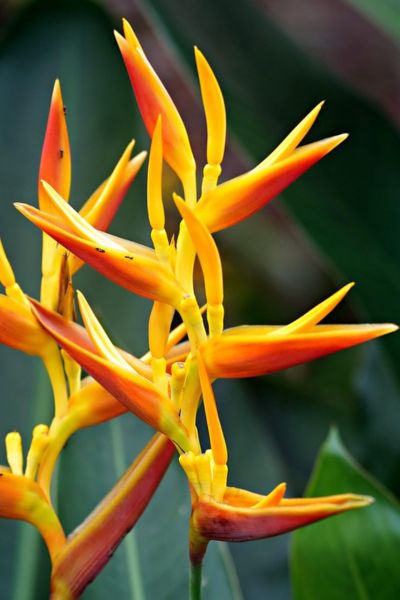
Heliconia Psittacorum
One of the most reliable varieties for home gardens. It is more compact, flowers frequently, and is ideal for pots and smaller spaces.
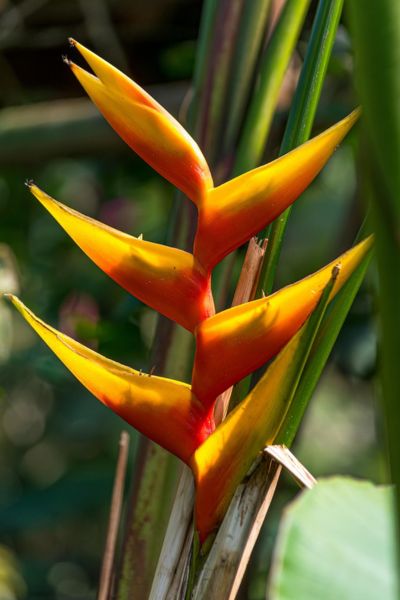
Heliconia Jacquinii
This is a taller variety with striking yellow and orange bracts. These larger plants are suited to use as screening plants, statement pieces in larger gardens or in large pots or garden beds.
How to Grow Heliconias
Learning how to grow Heliconia is mainly about getting the basics right. When their needs are met these plants thrive and reward gardeners with generous growth.
Sun conditions
Heliconias grow best in full sun to part shade. In very hot climates, light afternoon shade can prevent leaf scorch.
Soil
Rich, well-draining soil is essential. Adding compost and organic matter before planting will improve growth and flowering.
Watering
Heliconias love moist soil but dislike sitting in waterlogged conditions. Therefore, water them thoroughly and consistently, especially during the warmer months. In summer, water whenever the top few centimetres of soil start to dry out. For plants in the ground, this may mean watering several times a week, whereas potted plants or those exposed to heatwaves might need daily attention. During winter, reduce the frequency of watering, yet ensure the soil never dries out completely to keep the plants healthy
Fertiliser and mulch
Use a slow-release fertiliser designed for tropical plants every few months. Mulching with organic material helps keep roots cool and soil moist, which is especially important in Australian summers.
Heliconia Care and Maintenance
Once established, heliconias are relatively low maintenance, but a little ongoing care keeps them looking their best.
Flowering
Heliconias often take 1 to 2 years to flower well after planting, depending on variety and growing conditions. In Australia, flowering typically occurs from late spring through summer, with some varieties blooming year-round in tropical regions.
Pruning
Remove old or damaged leaves to keep the plant looking tidy and to encourage new growth. After flowering, cut spent flower stems back to the base.
Pests and diseases
Heliconias are generally hardy, but they can attract scale, aphids, or spider mites. Good air circulation and regular inspection help prevent problems. Take care not to overwater, as consistently wet soil can cause root rot.
Heliconias are among the most rewarding tropical plants you can grow in Australia. With their dramatic foliage, vivid colours, and bold visual impact, they bring gardens in warm climates to life.
Whether you plant them in the ground or grow them in pots, Heliconia plants make a standout choice for anyone interested in tropical gardening or growing reliable tropical plants. With the right location, regular watering, and a little care, heliconias will thrive and reward you with stunning colour season after season.