
How to grow and care for Frangipani
Few plants embody the spirit of a tropical garden quite like Frangipani. Its lush, waxy flowers and sweet scent make it a favourite of tropical gardens in Australia. Planted by a pool or along a path, frangipani adds colour and a touch of paradise wherever it grows.
Their heat and drought tolerance, and low maintenance, make them a popular choice in tropical and subtropical gardens. If you’ve wanted to grow your own, you’re in the right place! This guide covers everything you need to know about growing frangipani.
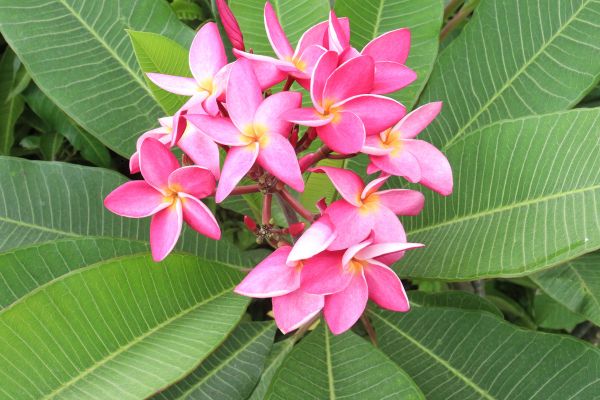
What is Frangipani?
Frangipani (Plumeria) is a genus of the Apocynaceae family. Native to South and Central America, these decidisous trees and shrubs native have long been grown in Australia and is now a popular ornamental in tropical gardens.
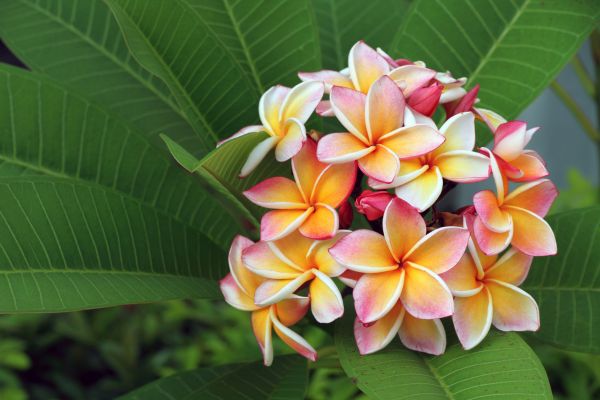
Frangipani is easily recognised with its thick, branching stems and clusters of five-petalled flowers. The flowers come in white, cream, pink, yellow, coral, and red. Its sweet fragrance is strongest in the early morning and evening, which is one reason it’s so loved in gardens.
Exotic vs Native Frangipani
It is worth noting the difference between the exotic frangipani (Plumeria) and the native frangipani (Hymenosporum flavum), which is a different plant. The native frangipani is a slim Australian rainforest tree with cream flowers that turn yellow as they age.
Although it also smells sweet, it belongs to another plant family and is not the frangipani most gardeners grow. This guide is all about the exotic Plumeria types, which are the tropical varieties you see most often in Australian gardens.
Where to Plant Frangipani?
Frangipani is a classic choice for tropical gardens. Its bold shape and flowers give your garden an instant holiday feel, perfect for poolside areas, resort-style gardens, or lush borders.
Whether you want a Balinese look or a relaxed tropical backyard, frangipani is a great centrepiece. Choosing the right spot for your frangipani helps it grow well. Here are some important factors to consider when selecting a place to plant.
Location in the Garden
Pick a spot that gets full sun most of the day and is open but not too windy. Frangipani likes well-drained, airy locations. Ensure you allow adequate space, as some varieties reach 3–5 metres tall and wide. Full size varies by species and growing conditions but avoid planting too close to fences, buildings or pipes.
Climate Considerations
Frangipani grows best in tropical, subtropical, and warm temperate climates. In Australia, it does very well in Queensland, the Northern Territory, and warm, frost-free parts of Western Australia and New South Wales.
In cooler areas, frangipani can still grow but in pots and it will be a slower growth.. The best time to plant frangipani is in spring or early summer, once the colder temperatures have passed and soil temperatures have warmed. Avoid planting in winter, as the plant is dormant and will not establish well in cold soil.
Planting in Garden vs Pot
Frangipani grows well both in the ground and in pots. In garden beds, it can grow to its full size and flower potential. Pots are good if you need to move the plant during cold weather or if you have limited space. Potted frangipani also adds a tropical touch to patios, decks, and balconies.
How to Grow Frangipani
-
- Sunlight: Make sure your frangipani gets at least 6 hours of direct sun each day to help it flower. Full sun in the morning is ideal. Don’t plant it in deep shade, as this leads to tall, thin growth and fewer flowers.
- Soil: Use well-draining soil, as frangipani roots are easily damaged by waterlogged conditions. Choose sandy loam and mix in coarse sand or perlite to improve drainage. Make sure water does not pool around the roots.
- Watering: One of frangipani’s great advantages is its drought tolerance once established. Water regularly while it’s growing, but let the soil dry between watering. During winter dormancy, reduce watering significantly; deciduous varieties require very little water when leafless.
- Pruning: Lightly prune frangipani in late winter to remove dead or damaged branches, just before new growth starts. Don’t cut back healthy branches too much, as flowers grow at the tips. Let cut ends dry before watering or letting rain hit them. Wear gloves, as the sap can irritate your skin and eyes.
- Fertilising: If your frangipani isn’t flowering well, feed it in spring and summer with a fertiliser for flowering plants. Avoid fertilisers high in nitrogen, as they cause more leaves and fewer flowers. Only fertilise when you see new leaves or flower buds.
- Flowering: In Australia, frangipani usually flowers from late spring to autumn, though the timing depends on your region and climate. Plants grown from cuttings often begin flowering in 2 to 3 years.
Top Frangipani Varieties
There are many types of frangipani, so picking the right one can be tricky. Here are some great varieties to help you decide:
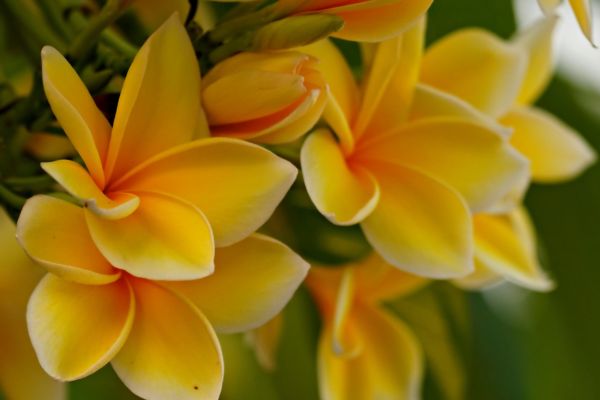
Plumeria rubra ‘Darwin Yellow’
A classic and widely available variety with creamy yellow flowers and a rich, sweet fragrance. Hardy and vigorous, it’s an excellent choice for first-time growers.
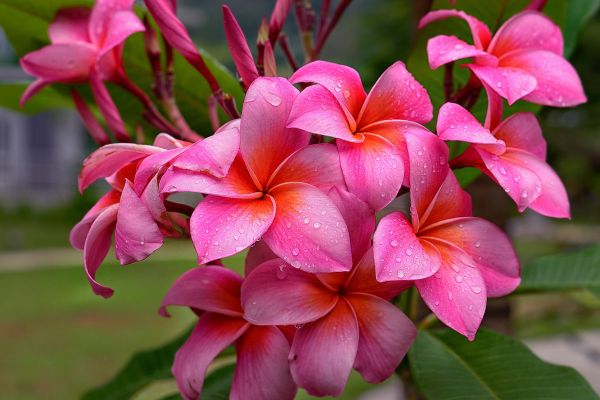
Plumeria rubra ‘Cerise’
A striking cultivar with deep pink to red blooms that add bold colour to tropical gardens.
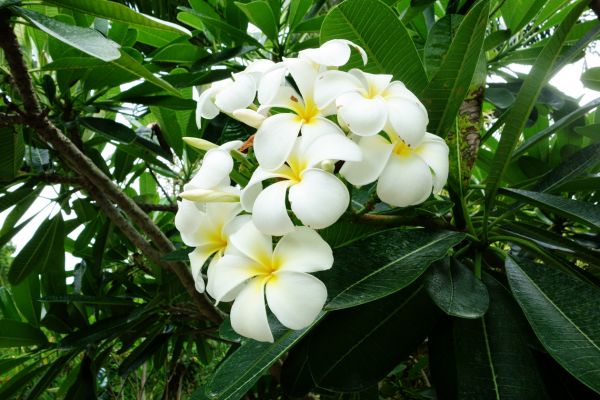
Plumeria obtusa ‘Singapore White’
An evergreen with glossy dark leaves and pure white flowers with a yellow eye. More compact than Plumeria rubra, suitable for small gardens.
Plumeria rubra ‘Tricolour’
Petals that combine pink, white, and yellow tones in each flower. A showstopper for tropical gardens.
Growing Frangipani in Pots
Container growing is achievable and lets you enjoy these tropical beauties in more climates. Use a pot at least 40–50 cm wide with drainage holes, and repot into a larger pot every two to three years. Terracotta pots are ideal because they are porous, helping soil dry more evenly.
In cool climates, move pots to a sheltered spot in winter and reduce watering during dormancy. Keep the pot in the sunniest spot you can, using a fast-draining potting mix and coarse sand or perlite. Feed potted plants more often, as nutrients leach faster, using slow-release fertiliser at the start of the season.
Common Pests & Diseases
Frangipani is usually hardy, but you should watch out for a few common problems:
-
- Frangipani Rust: Orange-yellow pustules on the underside of leaves, most common in late summer. Remove affected leaves, improve air circulation, and apply a registered fungicide if severe.
- Leaf-eating caterpillars: Large, colourful caterpillars can quickly defoliate a tree. Remove by hand or treat with a Bacillus thuringiensis spray for a garden-friendly solution.
- Mealybugs & Scale: Watch for infestations of mealybugs and scale on stems and in leaf axils. Treat with horticultural oil spray or insecticidal soap, thoroughly covering affected areas.
- Root Rot: Generally triggered by overwatering, poor drainage, and soggy soil. Ensure soil dries out between waterings and that drainage is excellent.
Tips for Disease Prevention
-
- Provide good drainage in both garden beds and containers.
- Allow soil to dry out between waterings and avoid wetting foliage.
- Maintain good air circulation by avoiding overcrowding plants.
- Inspect plants regularly, especially in warm, humid weather.
- Remove and dispose of diseased leaves and plant material promptly.
Frangipani is one of the most rewarding plants for tropical or subtropical gardens. Whether growing a large tree poolside, a compact variety in a pot, or trying the range of colours, there’s a frangipani for every space. Give it lots of sun, good drainage, and don’t overwater, and you’ll enjoy beautiful flowers and fragrance year after year.