
Bougainvillea Plant Guide for a Colorful Tropical Garden
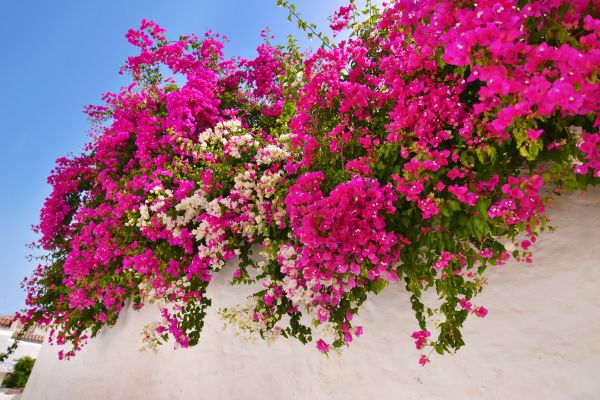
Bougainvillea is a classic choice for warm-climate gardens. Known for its bright colours and resilience, this sun-loving plant thrives in Australian gardens, tolerating heat, intense sunlight, and dry spells with ease.
This guide covers how to grow bougainvillea, where and when to plant it, the top varieties, and tips for pots or hanging baskets. Whether you’re new to tropical gardening or want more colour, you’ll find helpful advice here.
About Bougainvillea
Bougainvillea comes from Central and South America, including places like Mexico, Brazil, and Argentina. Its bright colours aren’t from petals, but from thin, papery leaves called bracts. The true flowers are the small white or cream ones in the middle. This special look makes bougainvillea a favourite in many gardens.
Bougainvillea stands out for its wide range of colours. You can find them in deep magenta, purple, orange, pink, white, and red. Some hybrids even have bracts with more than one colour, giving a layered look that changes with the light.
Bougainvillea is popular in Australian tropical gardens for good reason. It has several features that make it well-suited to the local climate:
-
- Excellent heat tolerance
- High drought resistance once established.
- Rapid growth in warm climates
- Long flowering periods
- Exceptional sun tolerance
Bougainvillea plant is very adaptable and grows well in tropical gardens. Climbing bourgainvillea can cover fences, pergolas, and walls with colourful blooms, while compact varieties work well as feature shrubs in garden beds.
If you have a small space, bougainvillea in pots can brighten up courtyards and patios. Hanging baskets also look great on balconies or outdoor areas. Because it grows densely, bougainvillea is also useful as a privacy screen or for vertical gardens.
Best Bougainvillea Varieties
Choosing the right bougainvillea variety helps it grow well and fit your space. Here are some top picks:
1. Barbara Karst Bougainvillea
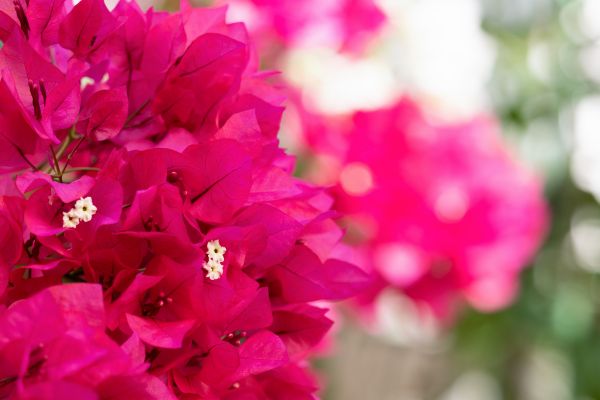
This classic, fast-growing variety has bright red-magenta bracts that provide a bold, tropical feel. It loves full sun and handles heat and dry conditions, once established. It is great for large spaces and can be trained to climb or shaped into a shrub or hedge.
2. White Cascade Bougainvillea
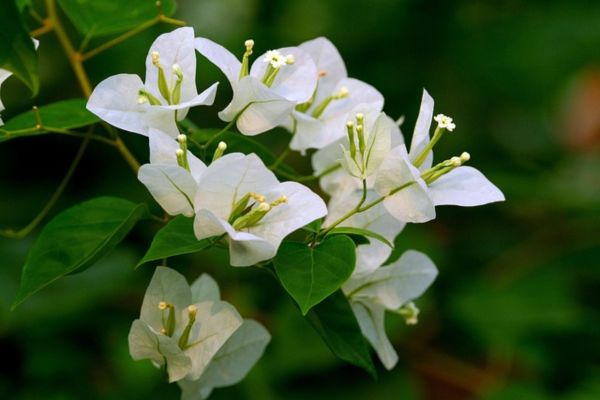
This variety produces white blooms which are elegant and softer and stand out against its rich green leaves. It’s excellent for modern gardens and its natural trailing growth works well for hanging baskets, pots or along walls.
3. Orange King Bougainvillea
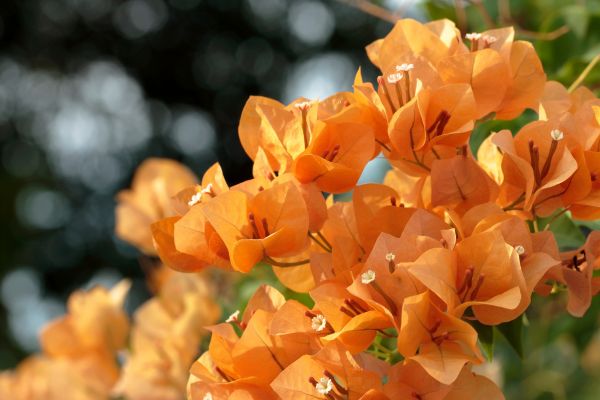
This quick growing variety features warm orange blooms that become even more vibrant in bright sunlight and contrast with the dark freen foliage. It works well in both conatiners or the ground – particulary in warm climates.
4. Purple Queen Bougainvillea
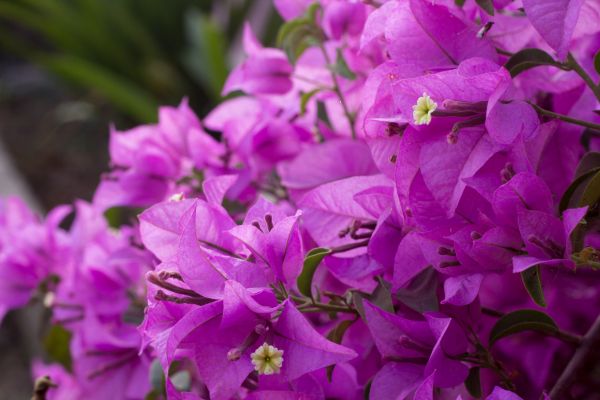
This variety offers a dramatci display known for its deep purple color and thick growth. It can be grown as a climber or trimmed into a shrub, providing long-lasting color through the warmer months. Full sun helps encourage the best flower growth.
5. Pink Pixie Bougainvillea
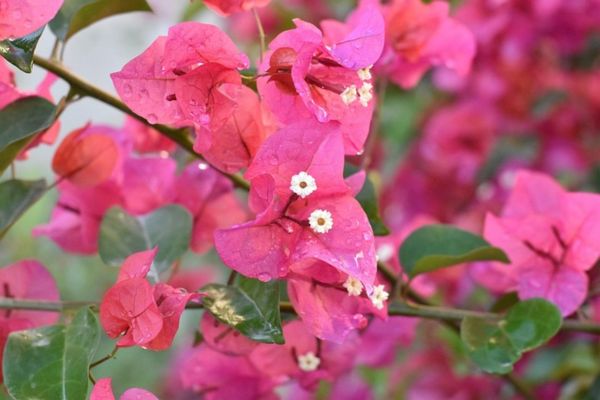
This lovely dwarf variety that has soft pink blooms and a shurbbing growth habit. It’s a good choice for smaller spaces, as a border plant, or in pots on a patio. It prefers full sun and well drained soil to produce its best flowers.
Where to Plant Bougainvillea
Knowing where to plant bougainvillea is key to helping it grow well. Even though it’s tough and adaptable, chosing the right spot can makes a big difference. Bougainvillea grows best in warm regions, making it a great choice for tropical gardens. It does especially well in Queensland, northern New South Wales, and coastal Western Australia.
In cooler climates, bougainvillea can handle light frost once it is established. It may lose its leaves in winter, but will regrow back in spring.
Sunlight Requirements
Bougainvillea loves sunlight and does best in bright, open spots. Aim for at least six hours of direct sun each day. If it doesn’t get enough light, it can still grow, but you’ll see fewer flowers and less colour.
Soil Requirements
Bougainvillea isn’t fussy about soil, but good drainage is a must. It doesn’t like wet roots, which can cause problems. Well-draining, sandy or loamy soil works best. If you have heavy clay soil, add drainage materials to help.
In Ground vs Pots
Bougainvillea is popular because it’s so flexible. It grows well both in the ground and in pots. In garden beds, bougainvillea can spread out and become a real focal point. Vigorous types quickly cover fences, walls, and pergolas, making them great for adding height or privacy. Bougainvillea isn’t invasive, but it grows fast in good conditions. Choose your planting spot carefully. If it’s too close to gutters, walls, or paths, it can get hard to manage as it grows. Plan for its future size to make care easier.
Growing bougainvillea in pots is perfect for small gardens, courtyards, balconies, or patios. Pots give you flexibility to maximise sun exposure or protect it during the winter season.
When to Plant Bougainvillea
Plant in spring or early summer when the soil is warm, so the roots can settle and support steady growth. With the right care, you’ll see bougainvillea start to grow in just a few months, but it usually takes two to three years to fully mature.
If you want climbing bougainvillea in your garden, start training it early for the best look. Guide the young stems gently along fences, pergolas, or trellises. This helps the plant cover evenly and keeps its shape as it grows.
Growing Bougainvillea in Pots
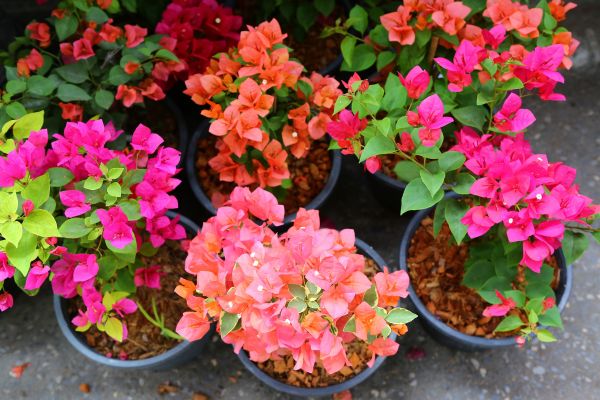
Bougainvillea in pots is popular in Australia homes, especially in cities where garden space is limited. Potted Bougainvillea lets you enjoy the vibrant colours with little effort, whilst bougainvillea hanging baskets create a lovely cascading effect, perfect for balconies and outdoor spaces.
For best results, use a large pot—about 30 to 40 centimetres wide—with drainage holes. Bougainvillea often flowers better when its roots are restricted slightly, so pots are a great choice.
Compact and dwarf types are best for pots. Varieties like Bambino, Pink Pixie are easy to manage but still give lots of colour. Use a good potting mix with added perlite or coarse sand for drainage. Just like in the ground, sunlight is key – put your potted bougainvillea in the sunniest spot you can for the best flowers.
Bougainvillea Care
Bougainvillea is easy to grow once you know what it needs. It may look exotic, but it’s tough and hardy. The best growing conditions for bougainvillea are plenty of sunlight, good drainage and protection from wind. Once established, they need less care than many other flowering plants.
Watering
Bougainvillea likes deep, occasional watering instead of frequent moisture. Once it’s established in the ground, you won’t need to water it much. For pots, check the soil—only water when it’s dry, since too much water can reduce flowering. In warm parts of Australia, it only needs occasional watering. If it’s in a pot, move it to a sheltered spot and water less during the colder months.
Fertilising
Feed bougainvillea every four to six weeks in spring and summer to keep it healthy and colourful. Use a fertiliser with less nitrogen, as too much can make leaves grow instead of flowers. Sunlight, a bit of dryness, good feeding, and slightly tight roots all help encourage flowers.
Pruning
Pruning keeps your bougainvillea plant in shape and encourages new growth. In Australia, prune during the warm months, usually after it flowers. For climbing types, gently guide young stems along fences or pergolas. Always wear gloves, as the thorns are sharp.
Bougainvillea is a great choice for Australian tropical gardens. It’s tough, colourful, and very versatile. If you plant it in the right spot and follow a few simple care tips, you’ll enjoy beautiful flowers year after year.