
How to Grow and Care for Hibiscus
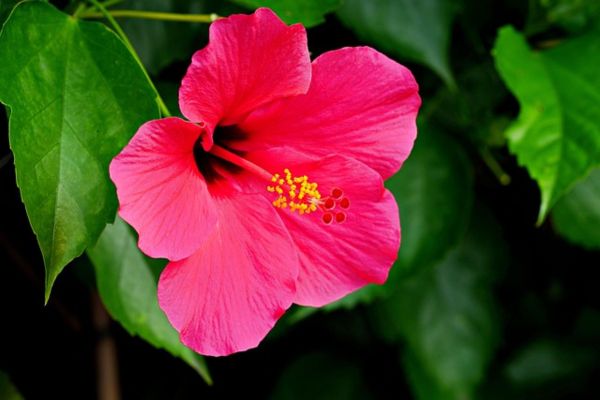
Hibiscus plants are a great addition to Australian gardens, adding a lush, tropical feel. It’s large, colourful flowers and glossy leaves bring bold colour and a gentle touch to garden beds, patios, courtyards, and poolside spaces. There are many kinds of hibiscus, from classic tropical varieties to hardy ones that can handle cooler weather. This article covers why hibiscus is popular, where to plant it, how to care for it, which varieties to try, and tips for growing healthy potted plants.
What Is Hibiscus?
Hibiscus includes hundreds of flowering plant species found in tropical, subtropical, and temperate regions. In Australia, the most common kind is Chinese hibiscus, also called Tropical or Hawaiian hibiscus. Hibiscus are loved for its large, open flowers and many colours. Depending on the type, flowers can be red, pink, orange, yellow, peach, white, or a mix of colours. Some blooms are simple and single, while others are ruffled, layered, or have unique shapes.
There are important differences between hibiscus types:
-
- Tropical hibiscus flourishes in warm, frost-free or low-frost areas and is the most common choice for tropical-style gardens.
- Hardy hibiscus is better suited to cooler regions and can tolerate lower temperatures, although flowering and growth habits may differ from tropical forms.
Popular types include compact shrubs for pots, medium-sized plants for hedges, and larger statement plants for garden features. With so many options, hibiscus works well in both small and large gardens.
Where to Plant Hibiscus?
Hibiscus is perfect for tropical and subtropical gardens because of its lush leaves, bright flowers, and long flowering season in warm weather. You can grow it as a feature shrub, informal hedge, colourful screen, or patio plant. Hibiscus gives an instant tropical feel and when combined with palms, gingers, heliconias, cordylines it can create a colourful tropical garden.
Picking the right spot helps it flower well and stay healthy. Hibiscus likes a spot with plenty of sun, protection from strong winds, and enough room for the plant to grow. Hibiscus grows best in open, bright places with lots of light throughout the day. If you plant hibiscus in a garden bed, leave space around it for air to move and for the plant to grow. Crowded plants are harder to care for and can have more issues with stress, pests, and disease.
Planting in Garden Vs Pot
You can plant hibiscus in the ground or in pots, depending on your needs. In the ground, hibiscus can grow into a large shrub, which is good for hedges, screens, and borders. Potted hibiscus is easier to move to sunny spots, protect from the cold, and fits well in smaller spaces like balconies, courtyards, and patios.
When to Plant Hibiscus?
The best time to plant hibiscus is in spring or early summer, when the soil is warming up and the plant can settle in. In warmer parts of Australia, this gives the roots time to grow before the hottest months.
In tropical and subtropical areas, tropical hibiscus grows well most of the year. In cooler regions, it is frost-sensitive, so wait until the cold has passed before planting. Gardeners in cooler parts of Australia may prefer hardy hibiscus or growing tropical types in pots that can be moved to sheltered spots during the winter.
How to grow Hibiscus
Growing hibiscus is simple if you focus on the basics: warmth, sunlight, the right amount of water, and regular feeding.
Sunlight Requirements
Most hibiscus plants flower best in full sun or with at least six hours of direct light each day. Too much shade means fewer flowers and taller, thinner growth. In very hot inland areas, some afternoon shade can help, but the plant still needs lots of light overall.
Soil Conditions
Hibiscus grows best in rich, well-draining soil. Fertile loam mixed with compost or well-rotted organic matter works well. Good drainage is important because soggy soil can cause root stress, yellow leaves, and poor growth. If your soil is heavy clay, add organic matter before planting and consider a slightly raised spot. If drainage is always poor, it may be better to grow hibiscus in a pot.
Watering
Hibiscus flowers best when it gets regular water during its growing season. Unlike some drought-tolerant shrubs, hibiscus does not handle long dry spells well, especially in hot weather. Signs of dryness include dropping buds, wilting, or fewer flowers. Water deeply, then let the top layer of soil dry a bit before watering again. Do not keep the soil constantly wet. Potted hibiscus usually needs water more often than those planted in the ground, especially in summer.
Pruning and Fertilising
Pruning helps keep the hibiscus plant bushy, neat, and productive. Light pruning during the warm season encourages more branches and flowers. A bigger shaping prune is best done in late winter or early spring after the cold has passed. Feed hibiscus with a balanced fertiliser for flowering shrubs in spring and summer. Regular feeding keeps leaves healthy and boosts blooming. Avoid using too much nitrogen, as it can cause lots of leaves but fewer flowers.
Growing Hibiscus in Pots
Growing hibiscus in pots is a good option for small outdoor spaces or for gardens in cooler regions where frost protection is needed.
-
- Pick a sturdy pot with good drainage and enough space for the roots to grow.
- For a young hibiscus, a container about 30 to 40 cm wide is a good starting size.
- As the plant grows, move it to a bigger pot once it becomes root-bound.
In cooler areas, pots let you move the plant to a warm, sheltered spot during cold weather. This is especially helpful for tropical hibiscus, which does not handle cold as well as hardy types. Use a potting mix that stays light and airy but still holds enough moisture for flowers to grow. Hibiscus likes organic material for food and something coarse to keep the pot from getting too heavy or soggy. Placing the pot in a bright, sunny spot also helps it flower.
Hibiscus Varieties: Top 3
There are many beautiful hibiscus varieties, but these offer a good mix of garden uses, colours, and climate suitability.
1. Hibiscus rosa-sinensis ‘Brilliant Red’
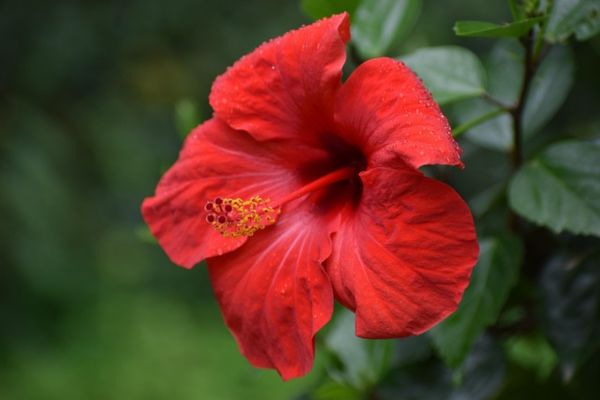
A fast-growing, evergreen variety, this classic tropical hibiscus is known for its large, cardinal-red, ruffled flowers. It loves full sun and rich, moist, well-drained soil, growing 2–3 metres tall and 1-2 metres wide. It is ideal for use as screens, and hedges, with nearly year-round flowering in the right conditions.
2. Hibiscus sinensis ‘Flamenco Apollo’
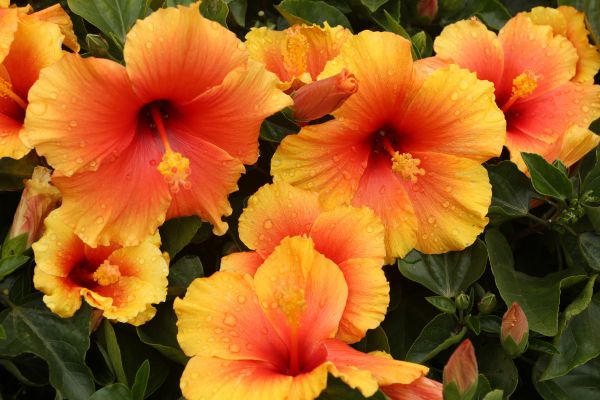
A compact, dense variety known for its striking flowers. It produces large yellow-orange blossoms highlighted by deep coloured centres and flowers steadily throughout the warm season. It is well suited to containers, patios, and low hedges, typically reaching about 1 m in height and around 80 cm in width. It performs best in full sunlight with free-draining soil, and it can tolerate coastal conditions and light frost.
3. Hibiscus syriacus – ‘Red Heart’
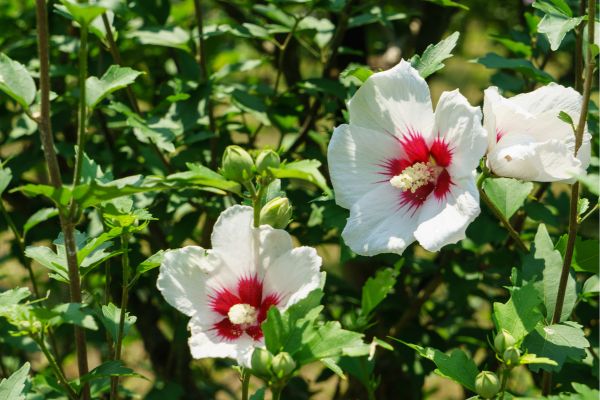
A reliable hardy hibiscus plant for cooler regions. This plant has large trumpet-shaped flowers in shades of pink, red, white, and purple, each with a striking red centre. It flowers heavily, and comes in singe and double flowering varities, adding lots of colour to the garden. They make a great option for a hedge or screening, they prefer full sun but can handle part shade. Once established, is easy to look after and tough enough to handle light frost and short dry spells.
Common Pests and Diseases
Like other flowering shrubs, hibiscus can have problems if its growing conditions are inconsistent or if it is stressed. The good news is that most problems can be fixed once you know the cause.
Yellow Leaves
Yellow leaves can have several causes. Overwatering, poor drainage, not enough nutrients, sudden temperature changes, or not enough light can all lead to yellowing. Before treating the plant, check the soil moisture and how much light it gets.
Dropping Flower Buds
Bud drop is a common problem with hibiscus. It often happens due to uneven watering, cold stress, sudden changes, or insufficient light. Plants that are moved often or left too dry may also drop buds before they open.
General Pests
Common hibiscus pests include aphids, whiteflies, spider mites, and scale insects. They usually appear on new growth or stressed plants. Early signs are sticky leaves, twisted leaves, spots, or fewer flowers.
Fungal Diseases
Fungal problems are more common if the plant does not get enough air, stays too wet, or grows in humid conditions without time to dry out between waterings. Soggy soil can also cause root problems. Good drainage is one of the easiest ways to lower the risk of disease.
Tips for Disease Prevention
A healthy hibiscus is much better at fighting off pests. Tips to keep your hibiscus plant healthy:
-
- Plant in a well-lit position with good airflow
- Avoid overwatering or leaving the soil waterlogged.
- Prune lightly to reduce congestion.
- Inspect leaves and buds regularly.
- Feed consistently during active growth.
- Remove damaged or infected material promptly.
Hibiscus is a great choice for many Australian gardens. There are so many varieties that you can find one for almost any space, whether it’s a lush tropical garden bed or a small patio. With plenty of sunlight, regular watering, and some protection from cold weather, your hibiscus can grow strong and produce beautiful flowers again and again during the warmer months.